
Management of Regulatory Audits and Inspections

About Course
This essential online course provides a comprehensive foundation you need to successfully navigate pharmaceutical audits and inspections. It equips you with the knowledge to effectively prepare for, manage, and respond to findings from health authorities like the FDA and EMA.
This course is designed for quality assurance professionals, regulatory affairs specialists, and scientists working in manufacturing and laboratory environments. It transforms complex regulatory expectations into a clear, actionable framework.
What You Will Learn:
- Key Regulations
- Pre-Inspection Readiness & Planning
- Inspection Execution & Management
- Post-Inspection Response & Compliance
- The Audit Lifecycle
Who Should Enroll:
- QA professionals
- Regulatory affairs specialists
- Production pharmacists
- Laboratory scientists
Course Format:
- Self-paced online modules
- Practical knowledge
- Lifetime access
- Quizzes & certification upon completion
Course Content
Module I
-
Introduction
-
Internal Vs External Audit
-
Inspection Vs Audit
-
Pre Assessment-1
Module II
Module III
Module IV
Module V
Final Assessment
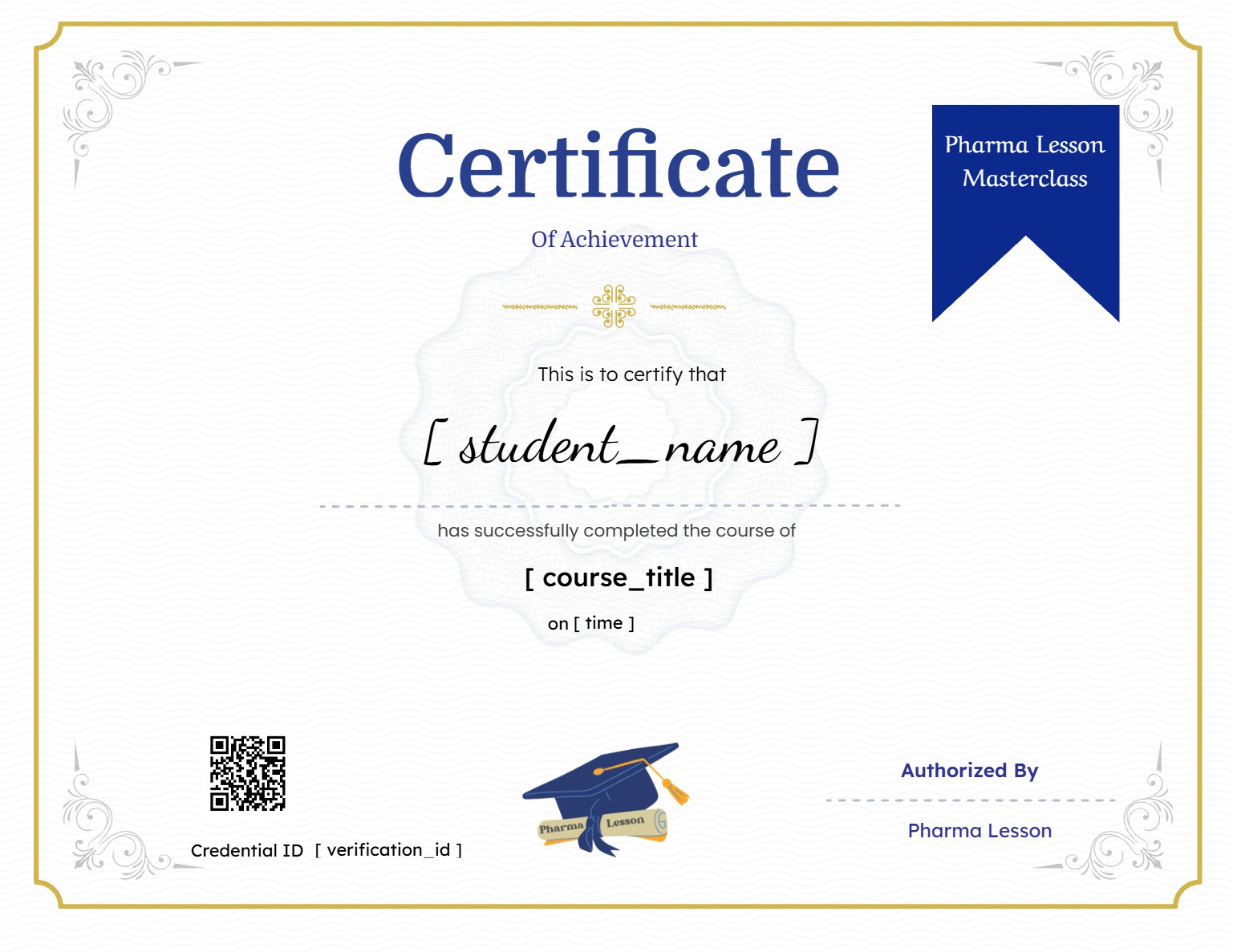
Earn a certificate
Add this certificate to your resume to demonstrate your skills & increase your chances of getting noticed.
Student Ratings & Reviews
I was really surprised by how much I learned about the FDA's inspection process. Understanding things like Pre-Approval Inspections and common 483 observations made the whole regulatory world feel much more concrete.
Really content of this course informative
this course is very informative
Great material for auditing
Such great course...In this course, we learned how GMP audits systematically evaluate equipment, facility design, and environmental controls to ensure quality. We studied Pre-Approval Inspections (PAIs), which are performed before NDA/ANDA approval to verify compliance, unlike routine inspections that follow a risk-based approach. Emphasis was placed on common GMP violations, such as failing to investigate customer complaints, and proper behavior during FDA inspections—being courteous, prompt, and confident, while avoiding argumentation. Finally, the course taught regulatory gap analysis, highlighting the importance of assessing current processes, comparing them with regulations, and creating action plans to maintain compliance and product safety.
Good Very informative and precise .
Good